
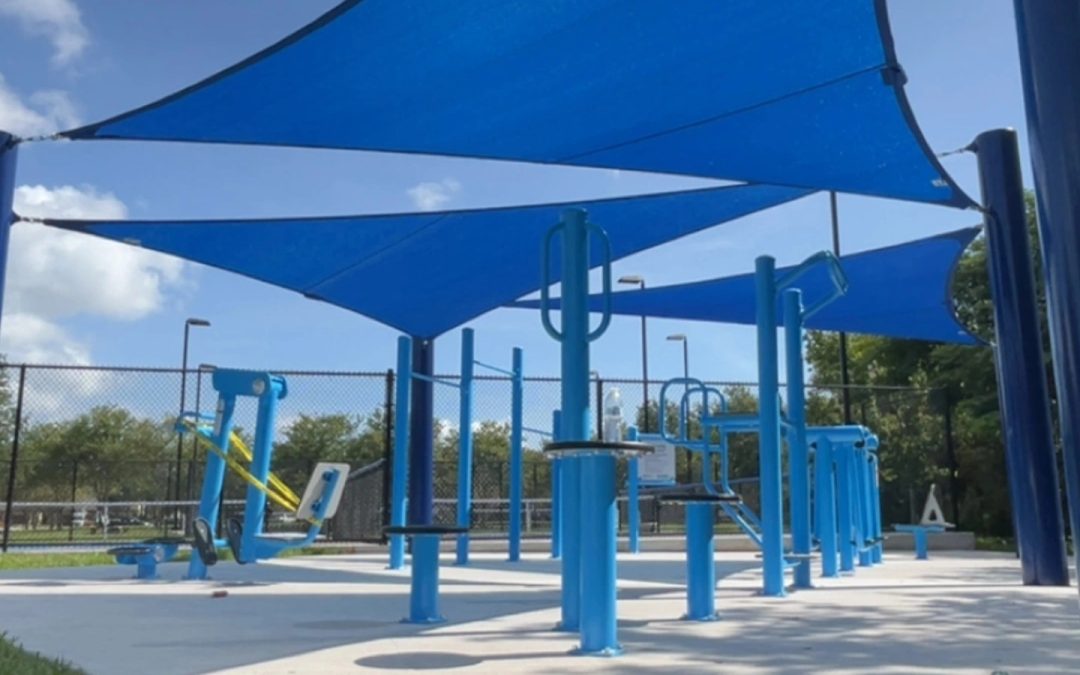
When designing a fabric shade structure, most people focus on the visible elements — the canopy color, the shape, the height, and the overall aesthetic. But one of the most critical components is something you rarely see once it’s installed: the footer.
At Creative Shade Solutions, we’ve seen firsthand how the correct footer size can determine whether a shade structure stands strong for decades or becomes a costly problem. Let’s talk about why footer size matters more than you might think.
What Is a Footer in a Fabric Shade Structure?
A footer (also called a footing or foundation) is the concrete base that anchors the steel posts of your fabric shade structure into the ground. It transfers the loads from the structure — including wind, tension, and weight — safely into the soil.
Without the correct footer size, even the best-designed shade sail can fail.
Why the Correct Footer Size Is Critical
1. Wind Resistance & Structural Stability
Fabric shade structures are engineered under tension. When wind hits the canopy, it creates uplift and lateral forces that travel down into the posts. If the footer is undersized:
-
Posts can shift or lean
-
Concrete can crack
-
The structure can loosen over time
-
In extreme cases, the entire system can fail
Florida weather — especially in coastal areas like Tarpon Springs — makes this even more important. Wind loads must be properly calculated, and the footer must be engineered to withstand them.
2. Soil Conditions Matter
 Not all soil is created equal.
-
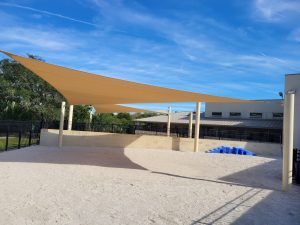
Sandy soil requires deeper, wider footers.
-
Clay soil behaves differently with moisture.
-
Fill dirt can compromise stability.
A one-size-fits-all approach doesn’t work. Proper footer sizing accounts for soil bearing capacity, frost depth (where applicable), and drainage conditions.
3. Long-Term Durability
A shade structure is an investment. Whether it’s for:
-
A playground
-
A commercial property
-
A park
-
A backyard
You want it to last 15–20+ years. Undersized footers may save money upfront but often lead to:
-
Premature movement
-
Structural stress
-
Fabric misalignment
-
Expensive repairs
Correctly sized footers protect that investment.
4. Code Compliance & Engineering Requirements
Most municipalities require:
-
Engineered drawings
-
Wind load calculations
-
Proper footer depth and diameter
-
Inspections
Skipping proper footer engineering can result in failed inspections, project delays, or liability issues.
At Creative Shade Solutions, we ensure every project meets local building codes and engineering standards before installation begins.
5. Safety Comes First
Public spaces — especially schools, parks, and commercial properties — demand a higher standard of safety.
An unstable shade structure isn’t just an inconvenience. It’s a liability.
Properly engineered footers:
-
Prevent tipping
-
Reduce movement
-
Keep tension correct
-
Protect people underneath
What Determines the Right Footer Size?
Footer sizing depends on:
-
Structure height
-
Sail size and shape
-
Wind load requirements
-
Soil type
-
Post diameter and wall thickness
-
Exposure category (open field vs. surrounded by buildings)
This is why professional engineering is essential. Guesswork isn’t good enough.
The Creative Shade Solutions Approach
At Creative Shade Solutions, we never cut corners on foundations. Our process includes:
- Site evaluation
- Soil consideration
- Engineered load calculations
- Code-compliant design
- Proper concrete strength and curing
Because a shade structure is only as strong as what holds it in the ground.
The fabric canopy may be what you see — but the footer is what makes it safe, durable, and reliable.
If you’re planning a fabric shade project, don’t overlook the foundation. The correct footer size isn’t an upgrade — it’s a necessity.
Creative Shade Solutions builds shade structures designed to stand up to the elements and stand the test of time.