
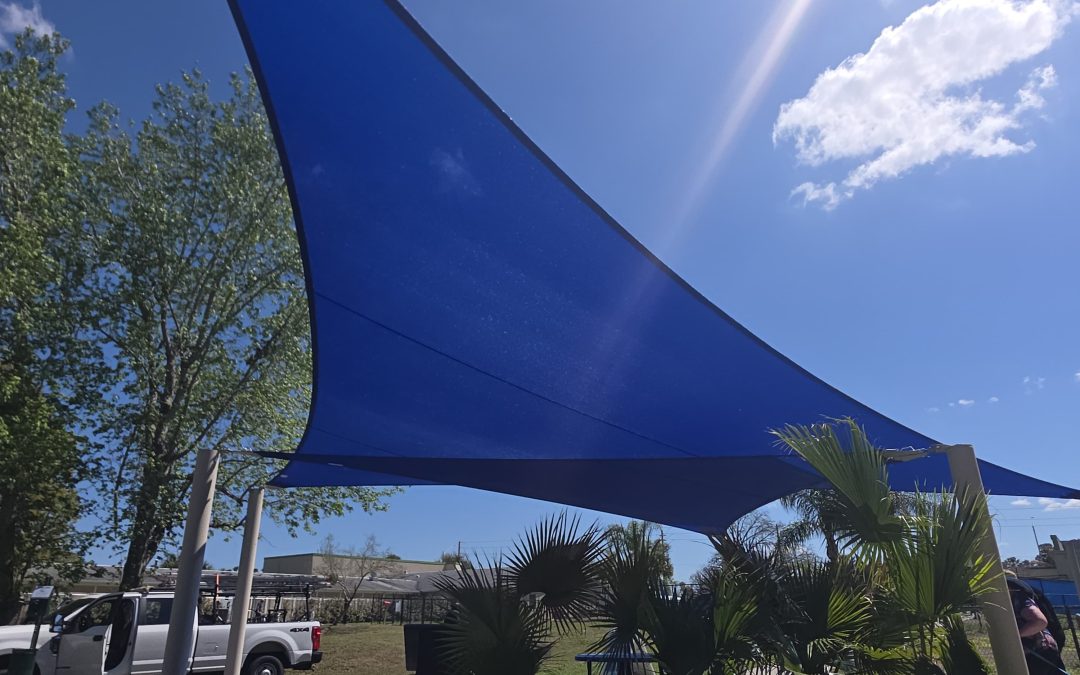
Choosing the right shade structure isn’t just about blocking the sun—it’s about creating a comfortable, functional, and visually appealing outdoor environment. Whether you’re installing a shade sail, pergola canopy, umbrella, or custom shade solution, size is the most important factor to get right. Too small, and you won’t get the coverage you need. Too large, and the structure may overwhelm the space or create installation challenges.
At Creative Shade Solutions, we help homeowners and businesses design shade that fits beautifully and performs flawlessly. Here’s a clear, practical guide to determining the ideal shade size for your space.
 1. Start by Defining the Purpose of Your Shade
Before measuring anything, clarify what you want the shade to accomplish.
Common goals include:
- Cooling a seating or dining area
- Protecting children’s play spaces
- Shading a pool or spa
- Covering vehicles or equipment
- Creating a comfortable commercial outdoor zone
Your purpose determines not only the size but also the shape, height, and placement of the shade.
2. Measure the Area You Want to Cover
This is the foundation of choosing the right shade size.
Key measurements to take:
- Length and width of the space
- Height of nearby attachment points (walls, posts, fascia, etc.)
- Clearances around the area (walkways, doors, landscaping)
- Distance between potential anchor points
Tip: Measure the usable area, not just the total space. For example, if you’re shading a patio table, measure the table plus the chairs when pulled out.
 3. Consider the Sun’s Path
Shade isn’t static—the sun moves, and your shade coverage will shift throughout the day.
Think about:
- Morning vs. afternoon sun
- Seasonal sun angles
- Which direction your home or building faces
A shade that looks perfectly placed at noon may leave you exposed at 4 PM. Many customers choose a slightly larger shade to ensure consistent coverage during peak heat hours.
4. Account for Shade Shape and Tension Requirements
Different shade structures require different clearances.
For shade sails:
- They need tension, which means the fabric curves inward.
- This curvature reduces the effective shaded area.
- A sail should extend beyond the area you want to shade.
For umbrellas:
- The canopy should be larger than the table or seating area.
- Consider the tilt feature for late‑day sun.
For custom canopies or pergola covers:
- Measure the full frame and add extra coverage if you want overhang protection.
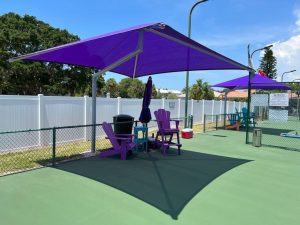 5. Evaluate Your Mounting or Post Locations
Shade size is often limited by where you can safely install anchors.
Check for:
- Structural attachment points on your home or building
- Space for posts or footings
- Underground utilities (for digging)
- Required setbacks or HOA rules
If anchor points are far apart, you may need a larger shade. If they’re close together, a smaller or custom shape may be ideal.
 6. Factor in Wind and Weather Conditions
Larger shades catch more wind, so size must match your environment.
- In high‑wind areas, smaller or multiple connected shades may be safer.
- In open yards, consider reinforced posts or heavy‑duty hardware.
- For commercial spaces, local codes may dictate size and installation standards.
7. Visualize the Shade in Your Space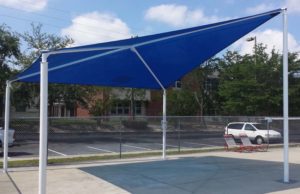
Before finalizing your size, step back and imagine how the shade will look.
Try:
- Marking the corners with stakes and string
- Using painter’s tape to outline the area on a patio
- Taking photos and sketching over them
This helps you see whether the shade feels balanced and proportional.
 8. When in Doubt, Go Custom
Every outdoor space is unique. If standard sizes don’t fit your layout, a custom shade solution ensures:
- Perfect coverage
- Ideal tension
- A clean, professional look
- Long‑term durability
At Creative Shade Solutions, custom design is our specialty—we tailor every project to your exact measurements and goals.
Determining the right shade size is a blend of measurement, planning, and understanding how the sun interacts with your space. By considering purpose, sun angles, mounting points, and environmental factors, you can choose a shade that enhances comfort, beauty, and functionality.
If you’d like expert guidance or a custom design tailored to your space, Creative Shade Solutions